Crafting a landscape with native plants is a fulfilling way that unites beauty, eco-friendliness, and ecological responsibility. Native plant landscape design suggestions offer homeowners and gardeners the opportunity to build vibrant, easy-care gardens that support local biodiversity, preserve water, and respond effectively to the climate. Whether you’re a skilled landscape designer or a DIY hobbyist, grasping how to incorporate native trees, shrubs, perennials, and grasses can turn your outdoor space into a prospering habitat for wildlife and pollinators while increasing soil health and minimizing maintenance efforts.
Guide to Native Plant Landscape Design
Native plant landscape design promotes eco-friendly gardening principles by using plants that are indigenous to a specific region. This environmentally conscious gardening approach sustains the natural balance of local ecosystems while providing aesthetic appeal. Native plants are highly compatible to the local climate, soil conditions, and wildlife, making them an superb choice for gardeners pursuing resilience and sustainability in their outdoor spaces. From establishing naturalistic garden borders to using companion planting techniques, native plant landscapes demonstrate harmony between humans and nature.
By emphasizing native flora, gardeners assist habitat restoration, support local pollinators like bees and butterflies, and reduce reliance on chemical inputs such as fertilizers and pesticides. Additionally, native plants aid in carbon sequestration and improve soil fertility, supporting broader goals of climate adaptation and environmental stewardship.
Benefits of Using Native Plants in Landscaping
Using native plants into your landscape provides numerous ecological and practical advantages:
- Biodiversity Increase: Native plants support a diverse range of pollinators and wildlife, maintaining healthy ecosystem interactions. Wildlife Habitat Establishment: Offering food, shelter, and breeding grounds for birds, insects, and small mammals. Improved Soil Health: Deep root systems improve soil oxygenation and support nutrient cycling vital for fertile ground. Climate Adaptation: Native species are adapted to tolerate local drought, temperature fluctuations, and weather events. Water Conservation: These plants generally call for less supplemental watering, encouraging xeriscaping and cutting garden water usage. Carbon Sequestration: By trapping and storing carbon in their biomass and root systems, native plants support reducing climate change.
Selecting native plants is a practical strategy for sustainable landscape architecture that nurtures the environment while improving property.
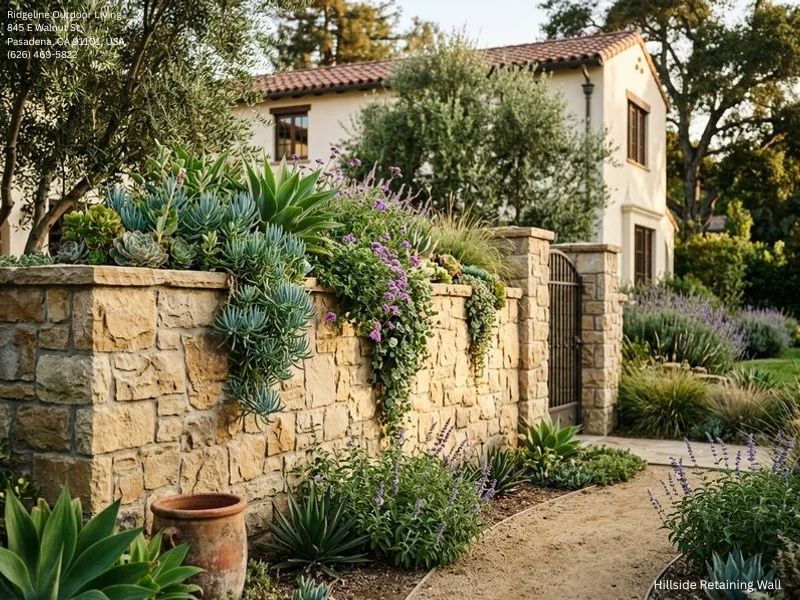
Key Elements of Native Plant Landscape Design
Successful native plant landscape design entails deliberate planning of various elements to reach a balanced appearance that facilitates ecological function:
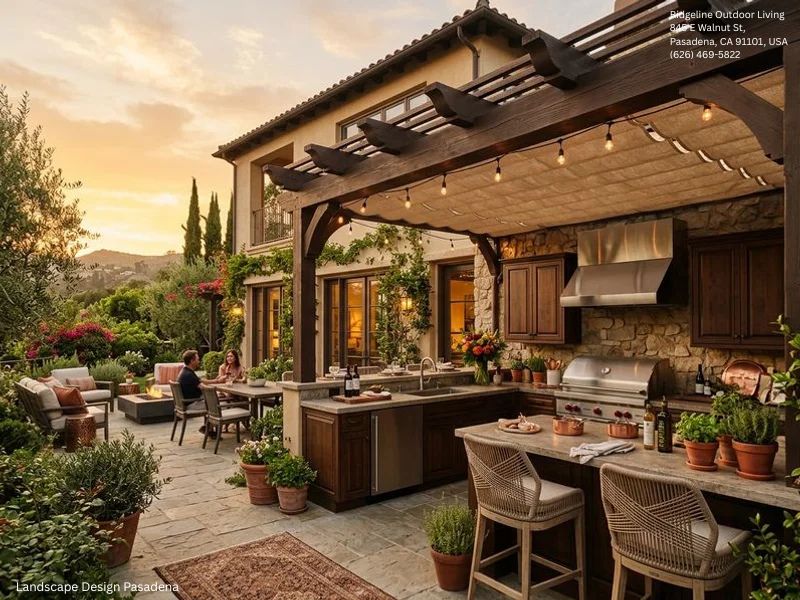
- Plant Layering: Imitating natural vegetation layers by mixing tall trees, mid-height shrubs, and low-growing herbaceous plants produces depth and biodiversity. Companion Planting: Arranging complementary species together to enhance growth, deter pests, and enhance garden aesthetics. Naturalistic Style: Emphasizing free-form shapes, meandering garden pathways, and informal garden beds to suggest a sense of wild beauty. Garden Borders and Pathways: Using native grasses, wildflowers, and ground covers to mark spaces and guide movement.
Integrating these principles helps generate dynamic and functional landscapes that are both visually appealing and ecologically beneficial.
Selecting Native Trees, Shrubs, and Perennials
Deciding on the right native trees, shrubs, and perennials is foundational for establishing a resilient, layered garden:
- Native Trees: Pick species that provide shade, stabilize soil, and serve as habitat anchors. Examples include oak, maple, dogwood, and pine varieties native to your region. Native Shrubs: Opt for shrubs that produce flowers, berries, and dense foliage to sustain wildlife. Think about chokeberry, spicebush, and serviceberry. Perennials and Herbaceous Plants: Include native flowering plants and ground-hugging species that blossom seasonally to invite pollinators and provide color. Examples include coneflowers, black-eyed susans, and native ferns. Native Bulbs: Include early spring interest and variety with bulbs like bluebells, camas, and trilliums that supplement your garden’s bloom calendar.
Incorporating Wildflowers and Native Grasses
Wildflowers and native grasses are crucial for creating meadow-like areas that sustain pollinator populations and provide textural contrast:
- Wildflowers: Choose a wide-ranging mix to guarantee ongoing blooms across seasons. Species like milkweed, goldenrod, and lupine are superb choices. Native Grasses: Ornamental grasses such as little bluestem, switchgrass, and buffalo grass boost visual engagement and deliver nesting components for birds. Meadow Planting: Setting up mixed planting zones where wildflowers and grasses coexist establishes a colorful, self-sustaining habitat.
Drought-Tolerant and Fire-Resistant Plant Choices
In regions prone to drought or wildfire risks, choosing drought-tolerant and fire-resistant native plants is important for landscape endurance and safety:
- Drought-Tolerant Plants: Succulents, yucca, manzanita, and particular sages do well under minimal water conditions. Fire-Resistant Plants: Species with ample moisture content and little resin levels, such as California lilac, ceanothus, and toyon, reduce fire hazards. Xeriscaping Techniques: Pair these plants with smart irrigation and mulch to boost drought resilience.
Soil Preparation and Maintenance for Native Gardens
Healthy soil is the cornerstone of a flourishing native garden. Proper preparation and continuous care enable native plants to establish deep root systems and attain their full potential:
- Soil Fertility: Stay away from synthetic fertilizers; instead, enhance soil organically with compost and natural mulch to encourage microbial activity. Natural Mulch: Utilize leaves, bark, or straw to retain moisture, control weeds, and improve soil texture. Seed Propagation: Start many native plants from seed using a seed mix tailored for your region’s conditions to support genetic diversity and lower costs. Root System Care: Minimize soil compaction and disturbance to safeguard the delicate root networks of natives.
Designing for Pollinators and Wildlife Support
Building a landscape that attracts and maintains pollinators and wildlife calls for intentional plant selection and layout:
- Butterfly Gardens: Incorporate nectar-rich native wildflowers like milkweed and asters to entice butterflies throughout their life cycle. Insect-Attracting Plants: Diverse flowering plants spread by bloom time ensure a continuous food source for bees, moths, and other advantageous insects. Habitat Corridors: Join garden patches with shrubs and native vines to offer safe corridors and refuge for wildlife. Wildlife Habitat Features: Integrate birdhouses, logs, and natural waterscapes to support multiple animal species.
Water Conservation Techniques in Native Landscaping
Native landscaping excels in conserving water through strategic design and plant choice, with a number of effective techniques:
- Rain Gardens: Constructed depressions hold runoff and permit water to infiltrate slowly, nourishing native wetland plants and controlling erosion. Erosion Control: Stabilize slopes and banks with native ground covers and deep-rooted shrubs that lessen soil erosion efficiently. Wetland Plants: Plant species adapted to moist conditions to manage excess water and filter pollutants naturally.
Creative Landscape Design Ideas and Layouts
Mix aesthetics and ecology with creative garden layouts that showcase plant diversity and form:
- Garden Beds: Rounded, fluid beds with layered planting produce inviting and dynamic views. Plant Diversity: Blend diverse heights, textures, and colors for visual interest and ecological function. Plant Layering: Organize tall native trees as a backdrop, medium shrubs in the middle, and low-growing perennials or ground covers in front. Garden Pathways: Design walkways with native grasses or low shrubs to promote exploration while protecting delicate areas.
Low-Maintenance Native Plant Garden Ideas
Reduce upkeep while enhancing beauty by incorporating these approaches:
- Natural Mulch: Keep moisture and decrease weed growth with organic mulches tailored to native plant needs. Companion Planting: Position plants that benefit one another to reduce pest problems and lower fertilization needs. Sustainable Gardening Practices: Select drought-tolerant and slow-growing species to reduce watering and pruning frequency.
Seasonal Blooms and Year-Round Interest
Plan a garden that remains captivating through all seasons by adding a palette of native species that bloom at different times:
- Spring: Early early flowers such as wild ginger and native bulbs offer fresh color after winter dormancy. Summer: Luminous wildflowers like blazing star and prairie coneflowers entice pollinators during optimal growing months. Fall: Autumn bloomers such as goldenrod offer crucial nectar sources while infusing warm tones. Winter: Evergreen shrubs and the designs of ornamental grasses offer texture and interest even in dormancy.
Climate Adaptation and Resilience in Native Landscaping
Incorporating climate adaptation strategies guarantees your garden remains healthy despite altering environmental conditions:
- Drought Resilience: Focus on water-efficient natives with deep roots and waxy leaves to survive dry periods. Soil Erosion Prevention: Employ dense ground covers and plants with fibrous roots to guard vulnerable soils. Fire-Resistant Plantings: Build buffer zones using fire-resistant natives to lessen wildfire risks.
Tips for Propagating and Establishing Native Plants
Efficiently propagating native plants promotes self-sufficiency and builds genetic diversity within your landscape:
- Seed Propagation: Harvest seeds from local sources and sow them in prepared soil or containers following species-specific requirements. Seed Mixes: Use blends suited for your area to establish diverse plant communities effectively. Permaculture Integration: Integrate native plants with permaculture practices like guild planting to optimize ecosystem services. Organic Gardening: Prevent synthetic chemicals to promote balanced soil microbiomes beneficial to native roots.
Conclusion: Creating a Thriving Native Plant Landscape
Adopting native plant landscape design ideas helps you to create remarkable, sustainable gardens that nurture biodiversity, conserve vital resources, and honor the unique character of your region’s flora. By thoughtfully selecting native trees, shrubs, perennials, and grasses, preparing your soil responsibly, and employing water-wise techniques, your landscape will prosper top landscapers in Pasadena with minimal effort while aiding habitat restoration and carbon sequestration.
Start your journey today by exploring native plant options matched to your climate and soil, and watch as your garden transforms into a vibrant ecosystem filled with pollinators, wildlife, and year-round beauty.
Ridgeline Outdoor Living
Ridgeline Outdoor Living is a Pasadena-based landscape design-build company serving Greater Los Angeles with custom outdoor living, hardscape, and drought-tolerant landscape solutions. The company specializes in patios, retaining walls, outdoor kitchens, drainage, hillside projects, and turnkey landscape construction, handling projects from design and permitting through final build and warranty.
Address:
845 E Walnut St,
Pasadena,
CA
91101,
United States
Phone: (626) 469-5822
Map: View on Google Maps
Business Hours:
- Monday – Saturday: 8:00 AM – 6:00 PM
- Sunday: Closed
Follow Us: