Introduction to Professional Landscape and Hardscape Integration
Professional landscape integration involves the strategic combination of softscape elements like plants, soil, and water features with hardscape materials such as stone, concrete, and brick masonry. This fusion enhances not only the beauty but also the functionality of outdoor living spaces. By applying landscape architecture fundamentals—such as landscape grading and irrigation systems—these designs support sustainable gardening while creating inviting environments ideal for relaxation or entertainment.
The use of quality hardscape materials like paver stones, flagstone patios, and stone veneer contributes durability and aesthetic appeal, complementing the natural landscape. Through expert design, homeowners can enjoy personalized outdoor spaces that balance hard and soft components seamlessly.Benefits of Integrating Landscape and Hardscape Elements
Integrating landscape and hardscape delivers numerous advantages for backyard design, including:
- Increased Property Value: Thoughtfully designed outdoor spaces boost curb appeal and overall market worth. Enhanced Aesthetics: Combining greenery with durable materials creates captivating visual contrasts and textures. Sustainable Landscaping Benefits: Proper grading, drainage solutions, and xeriscaping reduce water consumption and maintenance needs. Functional Outdoor Living: Incorporation of features like outdoor kitchens, fire pits, and seating walls extends usability year-round. Improved Environmental Health: Sustainable plant selection and soil preparation support ecosystem balance and minimize erosion.
Key Components of Landscape and Hardscape Integration
Landscape Design Principles
Successful integration starts with landscape design fundamentals including:
- Plant Selection: Choosing drought-resistant, native, or climate-appropriate species to complement hardscape. Soil Preparation: Ensuring optimal soil health for plant longevity and stability around structures. Landscape Grading: Creating proper slopes to manage water runoff and enhance drainage efficiency. Irrigation Systems: Installing smart irrigation technology to conserve water while supporting plant vitality.
Hardscape Materials and Features
Selection of materials defines the durability and look of the hardscape elements. Key options include:
- Paver Stones – Versatile and available in numerous styles for patios and pathways. Stone Veneer – Adds texture and elegance for retaining walls and accent structures. Concrete Work – Durable and customizable for driveways, slabs, and seating areas. Brick Masonry – Classic appeal for garden borders and walkways. Flagstone Patios – Natural stone offering rustic charm and slip resistance.
Outdoor Structures and Features
Structures enhance outdoor usability and ambiance:
- Retaining Walls – Stabilize slopes and create terraces. Pergolas & Arbors – Provide shade and focal points for garden spaces. Seating Walls – Blend function with aesthetics in social areas. Outdoor Kitchens – Facilitate cooking and entertaining outdoors. Fire Pits & Outdoor Fireplaces – Extend outdoor enjoyment into cooler seasons. Garden Privacy Screens – Add seclusion while contributing to landscape design.
Step-by-Step Guide to Planning Your Integrated Outdoor Space
Planning is critical for a harmonious integration of landscape and hardscape:
- Landscape Surveying: Assess terrain, existing vegetation, and soil conditions. Landscape Planning: Develop a cohesive design incorporating both plantings and structural features. Drainage Solutions: Address runoff through grading, French drains, or permeable paving. Mulch Application: Use organic or inorganic mulches to conserve moisture and enhance soil quality. Terracing: Create flat usable areas on slopes to prevent erosion. Xeriscaping Techniques: Plan landscaping that minimizes water needs by selecting drought-tolerant plants and efficient irrigation. Landscape Lighting Design and Automation: Integrate smart lighting to highlight features and improve safety after dark.
Choosing the Right Materials for Landscape and Hardscape Integration
The paver installation Pasadena choice of materials affects both longevity and environmental impact. Considerations include:
- Best Paver Stones: Select natural stone, concrete, or porcelain pavers suited to your climate and style preferences. Durable Hardscape Materials: Invest in materials resistant to weathering, erosion, and foot traffic. Sustainable and Eco-Friendly Options: Use recycled concrete, natural stone, or permeable materials that reduce environmental footprint. Synthetic Turf vs Natural Lawn Care: Evaluate synthetic turf for low maintenance and drought resistance versus traditional lawn for natural aesthetics. Stone vs Brick vs Concrete: Compare these materials based on appearance, cost, durability, and installation complexity.
Hiring Professional Landscape Contractors for Integration Projects
Enlisting experienced professionals ensures your project runs smoothly from concept to completion:
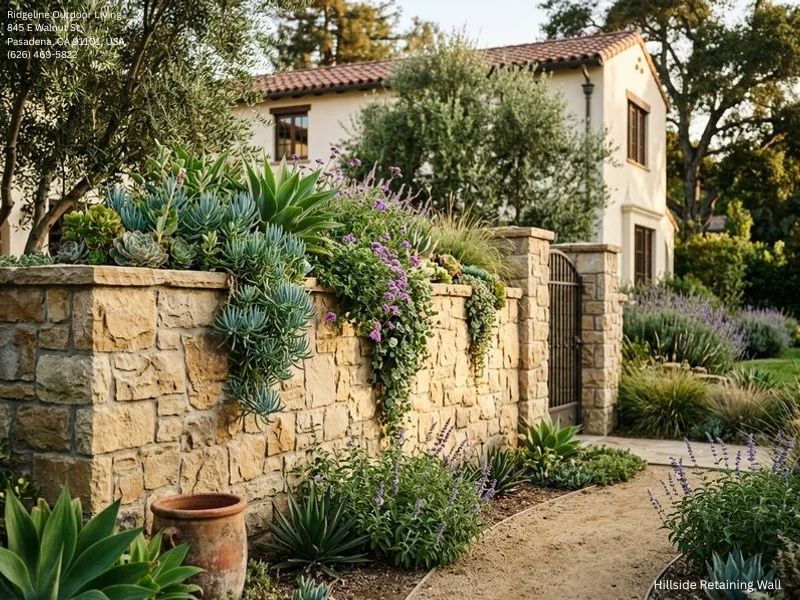
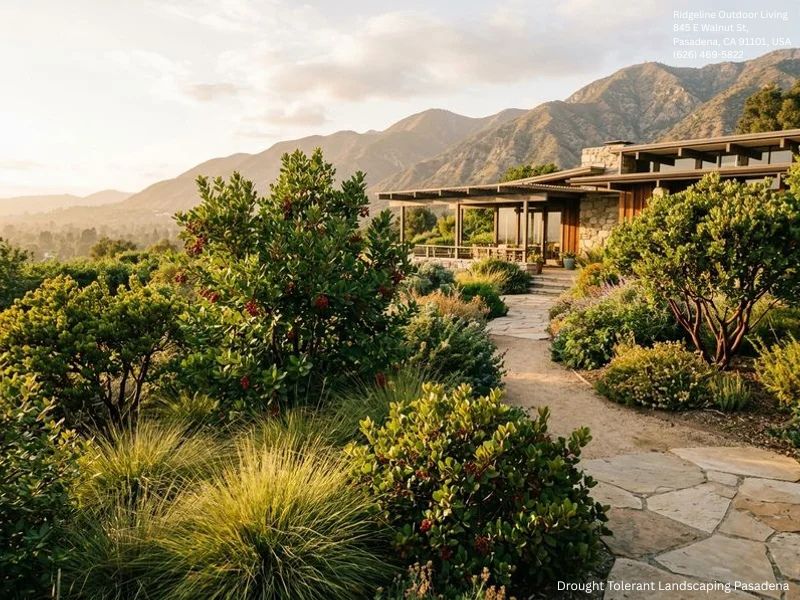
- Finding Experienced Contractors: Research credentials, portfolios, and reviews to identify qualified landscape contractors specialized in integration projects. What to Expect During Renovation: Clear timelines, site preparation, utility considerations, and ongoing communication are standard practices. Service Offerings: Installation, grading solutions, irrigation setup, and landscape maintenance tailored to integrated designs. Custom Benches and Landscape Sculptures Installation: Professionals can craft unique outdoor furniture and art installations that complement your landscape.
Maintenance Tips for Long-Lasting Landscape and Hardscape Harmony
Keeping your integrated outdoor space flourishing requires consistent care:
- Irrigation System Maintenance: Regular inspections and adjustments prevent water waste and promote plant health. Landscape Maintenance Schedules: Seasonal pruning, fertilizing, and pest control sustain vibrant plant life. Lawn Care Best Practices: Aeration, mowing, and weed management protect your lawn’s integrity, whether natural or synthetic. Maintaining Water Features and Drainage: Clean debris and ensure pumps and drainage systems function efficiently to avoid damage. Seasonal Plant Care and Tree Planting Tips: Optimal planting times and protective measures encourage strong growth.
Advanced Landscape Integration Features and Trends
Stay ahead with innovative enhancements in integrated outdoor design:
- Landscape Automation and Smart Irrigation: Utilize sensors and timers to optimize watering schedules and extend equipment lifespan. Sustainable Landscaping Innovations: Incorporate rain gardens, green roofs, and solar lighting to further eco-friendly goals. Incorporating Rock Gardens and Garden Beds: Add texture and seasonal interest with diverse plantings and natural stone arrangements. Modern Landscape Sculptures and Aesthetic Enhancements: Artistic elements can personalize spaces and serve as visual focal points.
Frequently Asked Questions About Professional Landscape and Hardscape Integration
- What is professional landscape and hardscape integration?It is the expert blending of natural landscape elements with constructed features like patios and walls to create cohesive outdoor spaces. How do I choose the right hardscape materials for my garden?Consider durability, climate, budget, and style. Consulting with a landscape contractor can provide tailored recommendations. Can I integrate water features with my existing landscaping?Yes, professionals can design and install ponds, fountains, or waterfalls that complement your current landscape and hardscape. What are the benefits of hiring a professional for these projects?Pros bring expertise in design, materials, installation, and maintenance, ensuring long-lasting, beautiful results. How long does a typical integration project take?Project duration varies by scope but typically ranges from several weeks to a few months. What maintenance is required to keep my integrated landscape looking great?Regular irrigation checks, seasonal planting care, cleaning hardscape surfaces, and maintaining lighting systems are essential. Are there eco-friendly options for hardscaping materials?Yes, recycled, permeable, and locally sourced materials minimize environmental impact. How can landscape lighting improve my outdoor living space?Lighting enhances safety, ambiance, and highlights architectural or natural features during nighttime.