Crafting a colorful, green landscape design that incorporates the beauty and strength of native plants is an ideal way to help local ecosystems, save water, and boost your garden's natural character. Whether you're a homeowner, gardening aficionado, or a landscaping professional, adding native plants brings numerous ecological and aesthetic benefits. This extensive guide will lead you through understanding native plants, selecting the right species, implementing effective landscape techniques, and nurturing a healthy native plant garden that fits with your environment.
The Importance of Native Plants in Your Landscape
Native plants consist of species that have developed naturally in a particular region or ecosystem without human intervention. Their natural adaptability to local climate, soil conditions, and wildlife relationships makes them crucial for sustainable gardening and habitat restoration. By including native plants into your landscape design, you significantly boost biodiversity, providing essential ecosystem services such as supporting pollinators, strengthening soil health, and fostering wildlife habitats.
Employing native shrubs, native trees, native grasses, and native wildflowers contributes to ecological balance and climate adaptation efforts. Their drought-tolerant nature lowers water consumption and reduces the need for chemical fertilizers or pesticides, making native landscaping both environmentally responsible and cost-effective over time. Overall, native plants build a resilient landscape that flourishes with less maintenance while supporting a healthy and diverse garden ecosystem.
Selecting Appropriate Native Plants for Your Garden
Selecting the ideal native plants for your garden begins with evaluating your local environment, including climate, microclimate variations, soil type, and moisture levels. Different parts of your garden may have varying light exposures and soil conditions, so plant zoning—grouping plants by their environmental needs—is necessary for success.
Check native plant manuals and seed propagation materials suited to your region to determine ideal species. Promote plant diversity by adding native shrubs, perennial plants, native trees, native grasses, native wildflowers, and native bulbs to guarantee year-round seasonal blooms and lasting garden aesthetics. Opting for drought-tolerant species matched with your soil’s moisture profile helps conserve water and supports plant health. Blending ground cover with taller shrubs and flowering plants forms layered habitats welcoming wildlife and delivers visual interest throughout the seasons.
What Landscape Design Techniques Perform Best with Native Plants?
Using effective landscape design techniques enhances the success and beauty of your native plant garden. Commence by creating a well-thought-out garden layout that considers plant zoning to group species with similar water and sunlight requirements.
- Companion Planting: Pair compatible plants to promote mutual growth, repel garden pests naturally, and enhance overall plant health. Xeriscaping: Adopt drought-tolerant native plants to minimize irrigation needs, swapping traditional lawns with native grasses or ground covers as lawn alternatives. Garden Pathways & Flower Beds: Create inviting garden pathways beside vibrant flower beds displaying native wildflowers and shrubs to demonstrate plant diversity and offer habitat corridors for wildlife. Mulching: Apply organic mulch around plants to boost soil moisture retention, suppress weeds, and boost soil organic matter.
These design principles not only maximize landscape aesthetics but also foster sound ecological practices that enhance your garden’s sustainability and wildlife value.
How Can Native Plants Support Soil Health and Prevent Erosion?
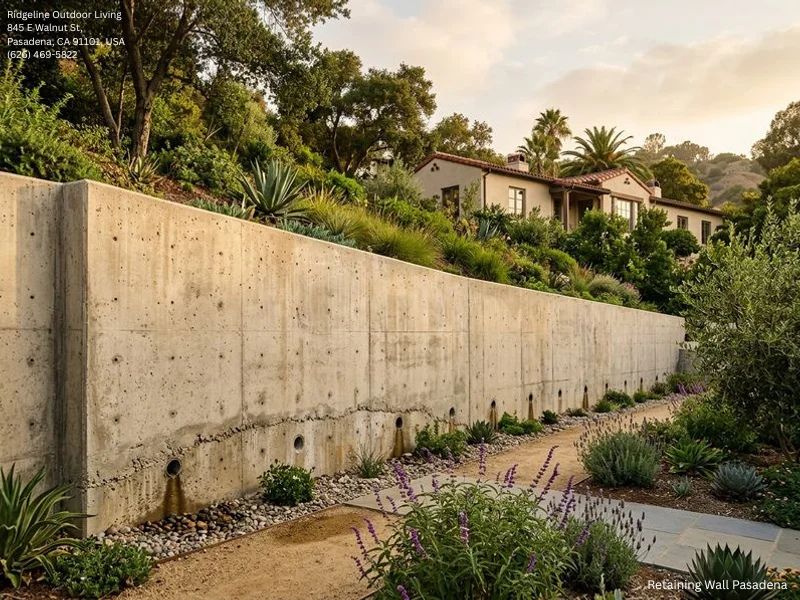
Regional plants serve an crucial role in strengthening soil health and preventing erosion due to their deep, complex root systems. These roots anchor the soil strongly, notably on slopes or in rain gardens, cutting runoff and stopping soil loss.
The biological cycle of leaf litter and root decay adds organic matter to the soil, enhancing it with nutrients and promoting beneficial microbial activity. Including compost and natural fertilizers together with native plantings further enhances soil fertility and structure. Keeping adequate soil moisture through mulch and organic amendments sustains this living system, securing that native plants prosper while strengthening and restoring your garden soil.
What Are the Advantages of Planting Native Plants for Wildlife and Pollinators?
Native plants are vital to preserving local wildlife and pollinator populations. They provide pollinator-friendly resources such as nectar, pollen, seeds, and shelter specially adapted to native bees, butterflies, birds, and other important wildlife.
Building a wildlife garden with native shrubs, trees, and wildflowers restores habitat corridors within urban or suburban landscapes, helping to join fragmented ecosystems. This connectivity promotes biodiversity hotspots and strengthens natural ecosystem services like pollination and natural pest control. Adding native plants into your landscape nurtures a balanced environment where wildlife can flourish alongside your garden.
How Can I Manage a Native Plant Landscape Sustainably?
Managing a native plant landscape sustainably includes considerate garden care practices that respect natural growth cycles. Use appropriate pruning techniques to promote healthy foliage and abundant seasonal blooms without over-pruning.
Handle garden pests organically, allowing beneficial insects attracted by native plants to naturally restrain harmful species. Diligently monitor and remove invasive species that displace your native plants to protect the ecological integrity of your landscape.
Regular annual clean-ups, using biological mulch, and renewing soil nutrients with compost or biodegradable fertilizers promote long-term garden vitality. These strategies minimize resource input while preserving your native plant landscape flourishing and robust year-round.
How Does Incorporating Native Plants Support Water Conservation Efforts?
Incorporating native plants is a effective strategy for water conservation. Because native species are accustomed to local rainfall patterns, they typically need less supplemental irrigation compared to ornamental plants or non-native species. Xeriscaping design principles using drought-tolerant natives further decrease water usage significantly.
Incorporating rain gardens planted with native species supports efficient rainwater capture and infiltration, minimizing runoff and boosting groundwater recharge. Additionally, native vegetation acts as green infrastructure by alleviating urban heat island effects and regulating stormwater, supporting broader environmental resilience and sustainability.
What Role Do Native Plants Perform in Combating Climate Change?
Native plants significantly help combating climate change through several mechanisms. They sequester carbon in their biomass and root systems, storing it in soil organic matter which helps reduce atmospheric carbon dioxide levels.
By sustaining resilient local ecosystems, native plants protect extreme weather events and help landscapes adjust to changing climate zones. Their natural growth habits minimize reliance on synthetic inputs like chemical fertilizers and pesticides, decreasing environmental impact and greenhouse gas emissions associated with conventional gardening and landscape management.
Incorporating native plants is therefore both a mitigation and adaptation strategy crucial in ecological gardening and sustainable landscaping.
FAQ – Frequently Asked Questions About Incorporating Native Plants in Landscape Design
What're considered the simplest native plants to develop for beginners?
For those new to native plant gardening, native grasses, wildflowers such as coneflower and black-eyed Susan, and tough shrubs like serviceberry are excellent carefree options that settle readily in most climates.
Do native plants flourish in urban landscapes?
Certainly. Many native species adjust easily to urban microclimates and are effective components of green hardscaping tips infrastructure projects that improve biodiversity and alleviate environmental stress in city settings.
To what extent do native plants influence garden pests?
Native plants draw in beneficial insects and natural predators which keep harmful garden pests at bay, reducing the need for chemical pesticides affordable landscaping Pasadena CA and fostering a healthy garden ecosystem.
Should you remove invasive species when planting natives?
Certainly, removing invasive plants is essential because invasives strongly compete for resources, often displacing native species and upsetting ecological balance within the landscape.
How frequently must I water native plants?
Native plants generally need regular watering during their establishment phase. Once established, most native species require little additional watering, depending on your local climate and soil moisture conditions.
In summary, incorporating native plants into your landscape design is a strong way to encourage sustainable gardening practices that increase biodiversity, conserve water, support wildlife, benefit soil health, and create lovely, resilient outdoor spaces. By carefully choosing species, employing expert landscape techniques, and sustaining your garden sustainably, you can achieve an ecologically balanced and visually stunning landscape that benefits both you and the environment. Celebrate native plants today and change your garden into a thriving habitat that shows nature’s incredible diversity and adaptability.
Ridgeline Outdoor Living
Ridgeline Outdoor Living is a Pasadena-based landscape design-build company serving Greater Los Angeles with custom outdoor living, hardscape, and drought-tolerant landscape solutions. The company specializes in patios, retaining walls, outdoor kitchens, drainage, hillside projects, and turnkey landscape construction, handling projects from design and permitting through final build and warranty.
Address:
845 E Walnut St,
Pasadena,
CA
91101,
United States
Phone: (626) 469-5822
Map: View on Google Maps
Business Hours:
- Monday – Saturday: 8:00 AM – 6:00 PM
- Sunday: Closed
Follow Us: